All About Shopping
About Us
Prague Shop
Contact
Choosing a watch can be frustrating because of the names of watch parts or functions that you don't know what they mean. The following list of the most common watch terms will allow you to choose a watch exactly according to your needs.
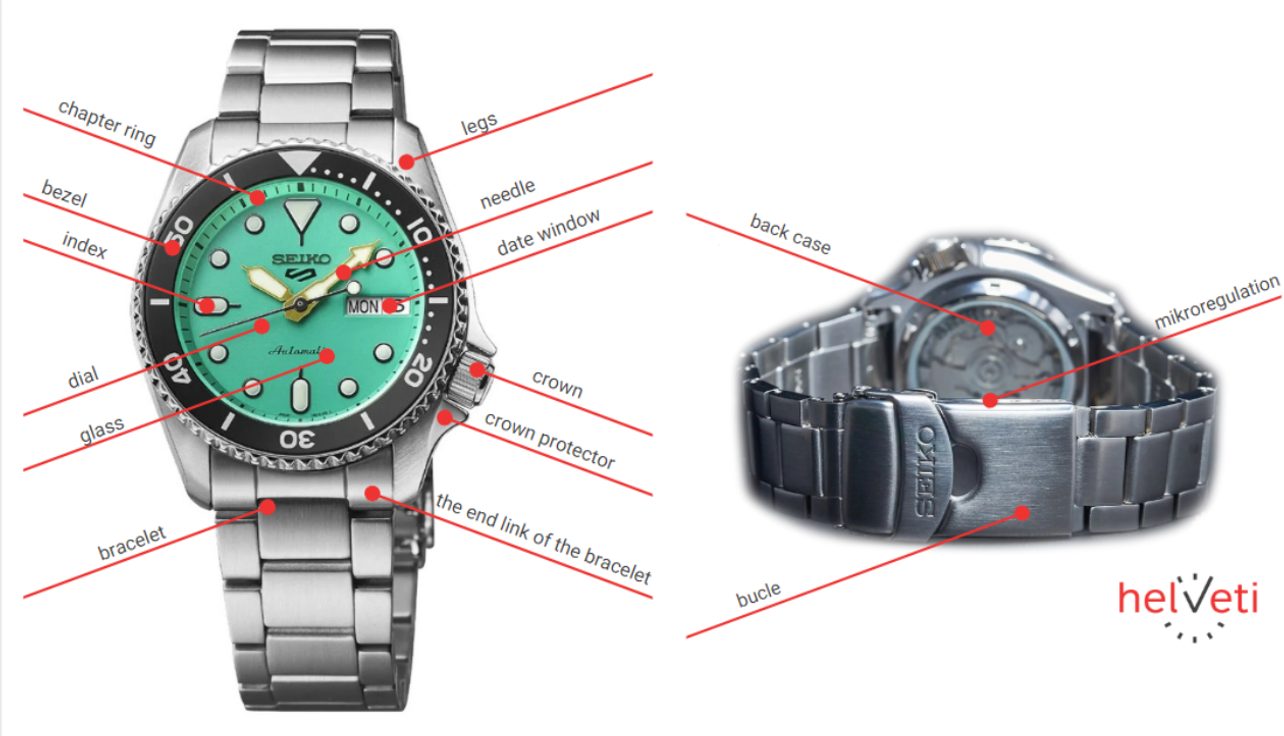
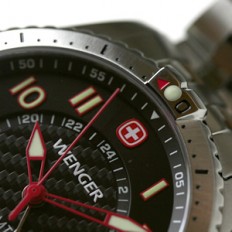
The bezel is the outer "ring" around the watch glass. It is most often found on diving watches or models with a GMT complication. It can be rotated in one or both directions. Thanks to the possibility of rotation and numerical data, it can be used, for example, to measure time spent underwater or to calculate other time zones.
In the case of a rotating bezel, time is measured on this bezel - if you turn the bezel so that the minute hand points to zero on the bezel, you are measuring time from that moment on.
The bezel is usually part of a diving watch. Its purpose is to measure the length of a dive. Diving watches often have a bezel that rotates only counterclockwise, so that any accidental rotation shortens the dive. Or a better option is if the watch has a lock.
Use of the bezel:
An index is a term that refers to dots or numbers on a dial that are placed at each hour. They often have a luminescent coating on them to make them visible in the dark.
A collective term for the "base" of the front part of the watch under the glass, on which we can find indexes, a logo, or information about the model name and water resistance.
As the name suggests, the glass is located above the dial and its main purpose is protection. Sometimes it is possible to find a glass on the back of the watch, if the manufacturer has decided to use a transparent caseback, for example to show the level of workmanship of the movement. Glass can be made of different materials. The main parameters that should be monitored are scratch resistance and shatter resistance. In general, those types that offer the greatest scratch resistance are relatively prone to breakage in the event of a major impact, and vice versa.
The types of slides are as follows:
A watch bracelet, in addition to a leather, rubber or textile strap, is another option for wearing a watch attached to your wrist. It always depends on the outfit and the occasion for which you wear the watch. Based on this, you choose a watch with a strap or bracelet.
Some brands equip their watches with titanium bracelets, which are usually lighter and more comfortable to wear. Any watchmaker, or even a more skilled watch owner, can shorten them.
If you are ordering a watch with a bracelet in the e-shop, simply state your wrist size in your order and we will tailor the bracelet to your needs for free. Here you can find instructions on how to choose your watch size.
A watch strap is often confused with a bracelet. However, there are differences. Unlike a bracelet, a metal strap often has no clasp and is put on by pulling it over the wrist, which is made possible by its expandable parts. An example of a strap watch is some Boccia models.


Boccia Titanium 3318-01 a Boccia Titanium 3616-01
Another type of strap called a “pull” is also a Milanese strap. In this case, it is a more elegant alternative with a more delicate look than what we would find on most watches. The clasp is attached with a clasp that is also sliding, allowing for easy length adjustment. There are countless watches with a Milanese strap, for example, the Festina and Junghans models.


Festina Retro 20568/3 a Junghans Max Bill Quartz 41/4463.46
The term strap basically means any "attachment" of a watch to the wrist that is not made of metal. On the market, we can find leather, silicone, rubber or even textile straps. Compared to metal alternatives, their advantage generally lies in lower weight, but also a slightly worse durability.
In English, they are called Lugs. These are paired parts of the watch protruding from the case on both sides and serve to attach the pivot and strap.
Needle indicate the specific time on an analog watch. Most models have an hour, minute, and second hand, but you can also find other variations. For example, a GMT complication has a fourth needle to display a second time zone, while other watches have a hand that displays the date (so-called pointer date), the power reserve, or the elapsed minutes of a chronograph. If the second hand is on a small subdial and is not on the same axis as the rest, it is called an off-center seconds hand.
The MeisterSinger models are a complete exception. They only have one hand that shows the hours and minutes at the same time.
The name of this term is quite telling. It refers to a small cutout on the dial (most often at 3 o'clock), thanks to which it is possible to see the date ring hidden under the dial. It contains numbers from 1 to 31 and automatically rotates once every 24 hours (always at midnight).
However, in addition to this window, the date itself can also be displayed in another way. A slight variation on this is, for example, the Big Date, which is an enlarged date ring, in which there is not just one ring, but two. Given that the date of the month can be a maximum of two digits, each of these discs is "in charge" of exactly one of the digits.
Probably the least common way to display the date of the month is the so-called Pointer Date. This refers to an extra hand that moves once every 24 hours and points to the numbers 1 to 31, which are located around the circumference of the dial.
The crown is a small part of the watch, most often on the right side of the case, which allows you to set the time, adjust complications, and in the case of mechanical watches, also wind the movement, and sometimes also serves to start the stopwatch.
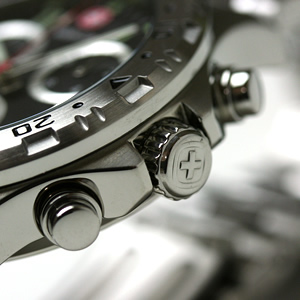
The function of the crown can be explained using the example of a Wenger watch. Models that have a date display always have 3 positions for the crown (when the crown is pulled out away from the watch).
If the watch does not have a date display, the crown only has 2 positions. Some watches have a screw-in crown. The operation is the same, except that you need to unscrew the crown before handling and then screw the crown back in after setting the watch to maintain water resistance.
The part of a metal bracelet that is closest to the watch case and is located between its legs. It is important to know that metal bracelets and pulls are very often made with an original end piece that only fits a specific watch. Unlike leather or textile straps, bracelets with this link cannot be swapped with other watches (although there are exceptions).
The back is the back of the watch case. On some watches it is transparent, but most often it is "solid", which opens up possibilities for engraving. The back often contains information about the watch, such as the model reference number, serial number of a particular piece, water resistance level or glass material. In the vast majority of cases, the back can be opened, allowing the watchmaker access to the movement.
The buckle is found on the bottom of bracelets and straps. Simply put, it is the part that allows you to open and close the watch. There are several types that differ in their design. Leather and textile straps most often have a pin buckle, while metal bracelets mainly have a flip or butterfly clasp.
Microregulation is the name given to the part of the clasp that allows for minor adjustments to the length of the bracelet or strap in the order of millimeters. It is most often found on watches with metal bracelets, which are usually shortened by removing individual links. However, this often does not allow you to accurately adjust the size of your wrist. This makes microregulation an ideal solution to avoid a watch being slightly too long or too short.

A watch with an alarm or alarm clock function can be programmed to sound at a certain timesound signal.An alarm is a common feature of many digital and analog watches and serves a variety of purposes, such as waking you up, reminding you of important events or appointments.
You can view watches with this useful feature hereOne of Ball patented technologies. It reinforces the watch's construction and protects the most vulnerable parts from impact. Thanks to this system, the watch should withstand a force of up to 5,000 Gs, which is equivalent to a fall from one meter.

The term analog or hand-watch refers to models that display the time using hands. In addition to the hour and minute hands, many watches also have a second hand. However, you can rarely find models that only have one hand, such as the MeisterSinger brand.
Antimagnetism is a term that denotes ability watch drive resist the action of a magnetic field. In other words, antimagnetism enables the watch safe operation with minimal deviation even under the influence of a magnetic field. The brand was a pioneer in the production of anti-magnetic watches Tissot, which in 1929 introduced its the first model to carry the Antimagnetique designation. In order for a watch to be labeled as anti-magnetic, it must meet the ISO 764 standard, which specifies a resistance of min. 60 gauss.
Anti-reflective coating is a special type of coating applied to watch glass to reduce light reflections and improve clarity and legibility. The most common is a single-sided coating (on the inside of the glass), but it can also be double-sided, allowing almost 100% light transmission. It is important to note that not all watches are equipped with an anti-reflective coating. The presence of an AR coating depends on the watch brand, model and price. Higher-end watches, especially those with sapphire crystals, usually have AR coatings, as they increase the overall quality of the watch. Anti-reflective glass can sometimes be identified by the fact that it is almost invisible to the naked eye.
Ball patented technology. It is a system of increased resistance to magnetic fields, thanks to which the watch can withstand up to 80,000 A/m. Watches with this technical solution often also have a Mu-Metal case, which largely overlaps with A-proof® technology in its purpose.
What is it?
Automatic watches belong to the category of mechanical watches, meaning timepieces powered by a system of gears, springs, and other purely mechanical components – without a battery. The basic principle is the storage of energy in a mainspring, which gradually releases energy to drive the movement. In addition to automatic watches, there is another main subcategory of mechanical watches: manual-wind watches, which must be wound regularly using the crown.
The appeal of mechanical watches – including automatic ones – is not primarily about practicality. They are valued for their craftsmanship, technical beauty, historical continuity, and “soul”, much like classic vintage cars. For enthusiasts, they represent more than just a tool for telling time.
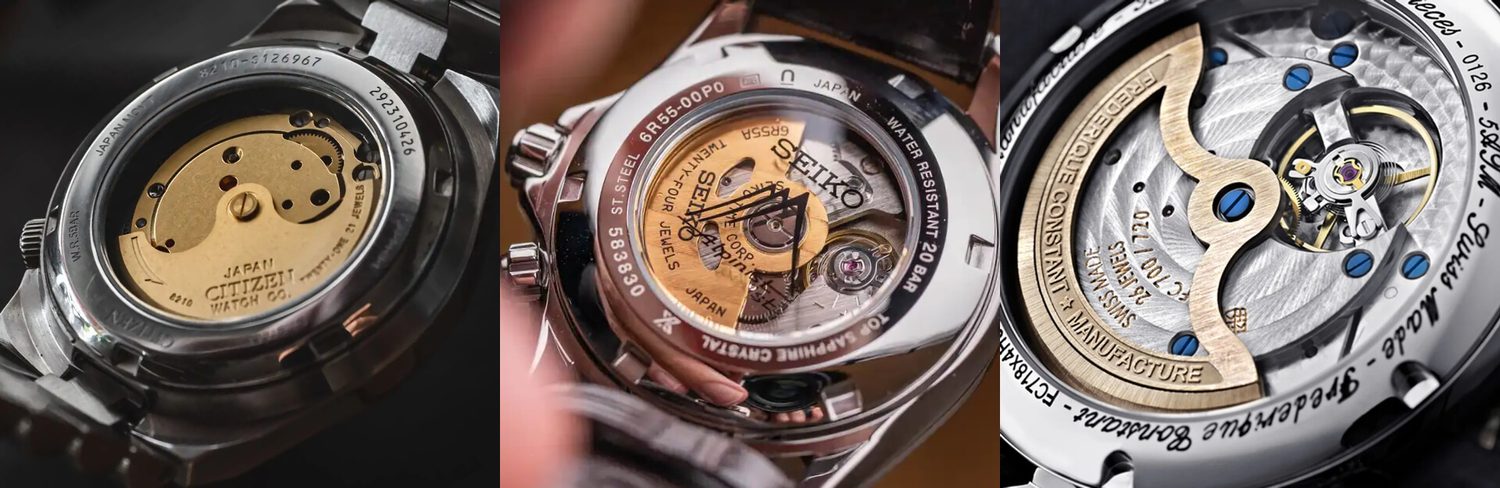
How it works
Automatic winding is the most common type of mechanical movement today. Compared to manual winding, it is equipped with a rotor – a semi-circular weighted mass that rotates freely with the motion of the wearer’s wrist. During everyday wear, the rotor moves under gravity and automatically winds the mainspring. The rest of the operation is identical to that of a manual movement: energy stored in the spring is released through the escapement, allowing the watch to measure time accurately.
When worn regularly, automatic watches remain running almost continuously. Once taken off, however, they have a limited power reserve, typically ranging from 40 to 80 hours (or more), after which the watch stops and must be reset. Compared to quartz watches, they are less accurate and require more complex and costly servicing, often amounting to several hundred euros.
How accurate are they?
In terms of accuracy, automatic watches typically achieve a daily deviation of approximately ±5 to ±20 seconds per day, depending on the quality of the movement, its regulation, and how the watch is worn. A higher standard is represented by watches with COSC certification (chronometer), which undergo rigorous laboratory testing in multiple positions and at different temperatures. To obtain this certification, a movement must meet strict criteria and achieve an average daily deviation of −4 to +6 seconds per day. The “chronometer” designation therefore serves as a guarantee of above-average accuracy among mechanical watches, though not absolute accuracy when compared to quartz movements.
You will appreciate the handy function called barometer or altimeter, which measures atmospheric pressure, especially during outdoor activities and tourism. The main function of the barometer is the accurate determination of ascended and descended meters during movement. Before starting the activity, the altimeter is calibrated thanks to GPS, and during the activity the change in height is recorded using the barometer.
Men's watches with this feature can be found here.
Women's models with a barometer can be found here.
A proper name for in-house movements from Baume & Mercier. They usually boast a very solid power reserve.
A designation used for watches that are made in a two-tone design. Almost exclusively steel and yellow or rose gold. In the segment of cheaper watches, due to the price, the precious metal is replaced by a simpler PVD treatment.
A calendar is a complication that displays not only the time but also the date, day of the week, month and year on a watch. There are several types. While the simplest version, the full calendar, requires the movement to be reset at the end of each shorter month, the annual and perpetual calendars are more sophisticated. The first one takes into account the different lengths of the months, but it still needs to be set once a year, at the end of February. In contrast, the perpetual calendar is a mechanically even more advanced complication that allows for the correct display of all data until the year 2100 (nowadays, watches are even appearing that can handle longer intervals).
Patented technology from Formex. It is a movable part of the inner case that allows it to move up and down. This technical solution essentially makes the watch "sprung", which is advantageous for wearing comfort and shock absorption.
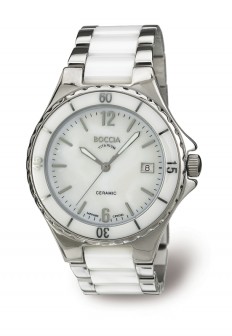 Titanium is not the only material that can be found, for example, in Boccia watches. In many models, it is supplemented with ceramics, from which, for example, pull parts or cases are made. Like titanium, ceramic is a chemically stable material that does not cause allergic reactions and is therefore very suitable for people with sensitive skin. It is produced from zirconium oxide or titanium carbide at very high pressure and temperature of up to 1,450ºC. It is a very solid material, the color of which can be easily changed by adding various color additives. Surface treatment is usually done by polishing or matting. Ceramic is up to eight times harder than steel and almost impossible to scratch under normal conditions. But this resistance and extreme hardness is redeemed by fragility. In case of an extreme impact, the ceramic part may break. In addition to being anti-allergenic and scratch-resistant, a great advantage of ceramics is also its lightness. You will hardly feel the titanium parts of the watch supplemented with ceramic parts on your hand and will not restrict you in anything.
Boccia Titanium Ceramic Watch:
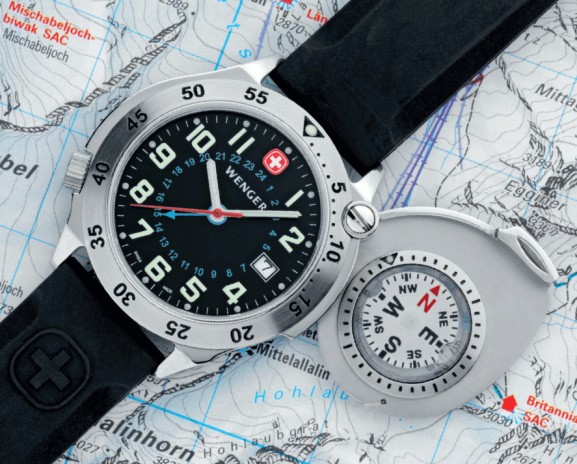 A watch with a compass will be used by every hunter, hiker, or anyone who just likes to wander through nature. The compass is still a basic orienteering aid. The compass, as we know it, can be in two versions - a digital and a classic compass with an arrow. You can see comfortably even at night on the digital one. The classic compass, on the other hand, does not depend on electricity.

A watch complication is the name given to the functions that a watch has beyond measuring time. Sometimes even an ordinary second hand is considered a complication. Most often, however, a watch complication is considered a date indicator, chronograph, perpetual calendar, GMT, power reserve, tourbillon, etc.
How much do you pay extra for a watch complication? It's simple, the more horological complications a watch has, the higher the price. It is also necessary to take into account the complexity of such a complication, almost every watch today has a date stamp, but for more complex mechanisms you will have to dig deeper into your pocket.
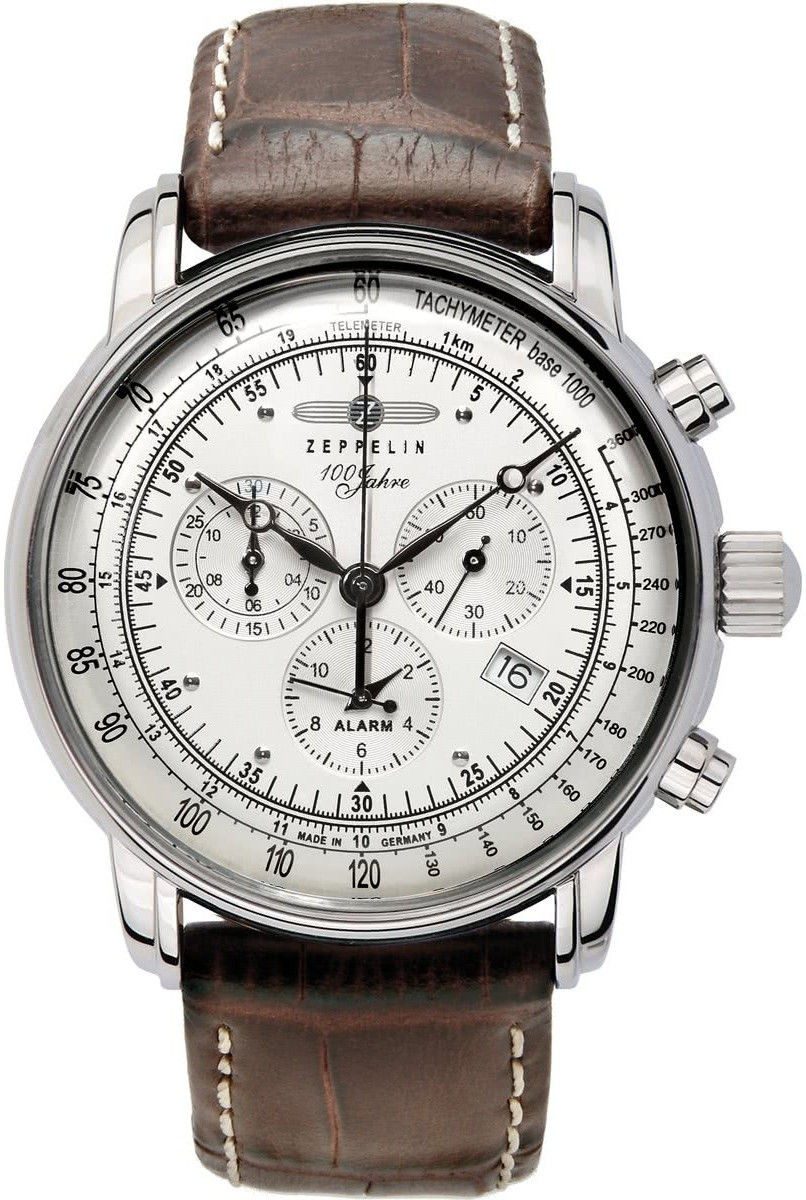
The term chronograph refers to watches equipped with most often 3 subdials, which perform the function of counting seconds, minutes and hours. In simple terms, it can be said that a chronograph refers to the stopwatch function, just in an analog display. Watches are most often controlled with two buttons above and below the crown. The chronograph function works independently of the primary time system – the clock, and does not affect its operation in any way. Instead of a chronograph, the more correct term chronoscope is sometimes used.
In addition to the classic versions of quartz and mechanical chronographs, it is also possible to encounter the terms flyback or split-second chronograph. The first mentioned is a “modification” that allows you to reset the time measurement while it is running and does not need to be stopped first. In contrast, a split-second chronograph is even more demanding to manufacture (in the case of mechanical movements) and is distinguished by the fact that the watch can also measure split times.
Watches with a chronograph can be found across all brands. Bestsellers include:

Chronometer is a designation for an extra accurate watch. It means that the watch meets the highest standard of accuracy and must be able to display the seconds continuously. It must meet this accuracy under strict conditions at 3 different temperatures, in 5 different positions, and also underwater. Certification is granted by the Swiss Official Chronometer Control (COSC). The certificate is granted for each individual specific product, so one model series is not certified en masse.
COSC-certified watches are, for example:
This is another type of surface treatment that can be applied to watches. The name is again an abbreviation from English and in full it is Diamond-like-carbon. Basically, it is a thin layer of carbon that is applied to the watch case and its properties resemble diamond. It therefore stands out for its hardness and resistance to scratches, but also for its resistance to corrosion.
The DS concept is a technology developed by Certina, which uses it in virtually all of its watches. It is a collective name for increased resistance to external influences and impacts. In practice, it includes, for example, reinforced sapphire crystal, double seals on the crown, or a special seal on the case back.
Solar-powered technology developed by Citizen that allows watches to draw power from any light source. This energy is then stored in a rechargeable battery, eliminating the need for regular replacement. It is generally stated that a single battery in a watch with this drive will last 10-15 years, but in practice we know that it can be even longer.
Engraving is a special technological procedure that can replace manual engraving. Various objects can be decorated with engraving, and thanks to this technique it is possible to decorate not only jewelry and pens, but also watches with a personal message, monogram, or logo.


How to proceed if you wish to engrave your watch can be found here.
An abbreviation for the English term end-of-life. This is an indicator on quartz watches that signals a very low battery level. It is usually manifested by the second hand on the watch stopping ticking every second, but starting to move at intervals of once every 2-3 seconds.
A sealing system used by Fortis on the crown and case of its watches. It ensures increased resistance to external influences.
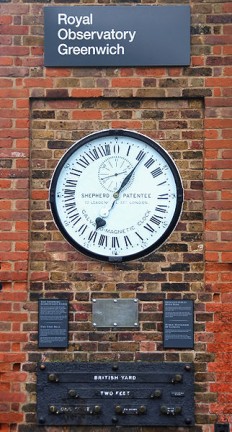
- is the mean time that refers to the prime meridian that passes through the Greenwich observatory in London. It is the default value by which the time in other time zones is set, which is represented by adding or subtracting an hour. In the Czech Republic, one hour is added, i.e. GMT+1. GMT on the watch If the watch has a GMT function, it means that it is able to display the time in another, second, different time zone than the primary time indicator on the watch, in the form of various complications in which manufacturers are very inventive.
Although our ancestors were already aware of the importance of time zones, where they were used primarily in maritime navigation, their practical use was very limited due to the imprecise operation of watches. This situation only changed with the advent of the chronometer, which made it possible to precisely navigate ships thanks to 15° time zones. The first watch that displayed two time zones at the same time was presented by Rolex in 1954. Like many other watch innovations, the GMT complication is the fault of pilots, this time civilians, who flew in the service of PanAm, who bought just such a watch from the Swiss manufacturer Rolex ordered.
An example of a watch with a GMT function can be, for example:
A technique for surface finishing a dial for decorative purposes. It can also be applied to a case or bracelet. The creation is done using machines operated by human hands and requires a high degree of precision.
A feature of a mechanical watch that stops the second hand when the crown is pulled out to the time setting position. If an accurate time reference source is available, this feature allows the watch to be easily set to the second.
In Czech, it means “High watchmaking”. This designation is used for the most luxurious manufacturers with a long history and tradition, who are able to produce extremely complicated timepieces with perfect workmanship.
A special version of a battery-powered movement that operates at a much higher frequency than regular quartz. Sometimes, in the context of these movements, you can also come across names like HPQ, or High-performance-quartz, and UHF, which stands for Ultra-high-frequency (movement). We very often encounter these types of calibers in Bulova watches, and their great advantage is considered to be the low deviation in combination with a smoothly moving second hand.
Kinetic is a technology used in some Seiko watches. Models with this type of movement use the movement of the wearer's wrist to generate energy through a rotor (similar to an automatic watch). This energy is then stored in a rechargeable battery that powers the quartz movement. This technology combines the accuracy of a quartz watch with a more environmentally friendly and user-friendly alternative, as it eliminates the need for regular battery replacement.
A dimension often given for watches. It indicates the distance from the end of one leg to the other. Compared to the classic case diameter, this information can be used to better determine whether the watch will be too large on the wrist.
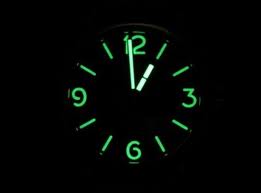
Luminescence - sometimes also called Fluorescence is a phenomenon that ensures the visibility of hands and indices on a watch even in the dark.
Passive luminescence, which is used by most watch manufacturers, absorbs part of the light radiation, which it then releases. Watches with this technology can "light up" from 2 to about 6 hours (depending on the quality and the technology used).
There are also manufacturers on the market that use more sophisticated technologies (for example Trigalight from Traser). They work on the basis of gas capsules and their luminosity does not depend on being "charged" with light. They can use the luminescent effect for up to 20 years. See Trialight dictionary password below for more.
Wenger is now using the Super LumiNova technology on its watches, which guarantees the durability of the luminescence for several hours (all night).
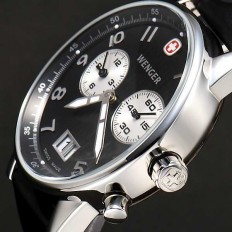
Mineral glass is glass of high optical quality with excellent scratch resistance. It is formed as a product of the smelting process. The composition of the glass melt is as follows:
The mineral glasses of Wenger watches are often equipped with a sapphire layer and their durability is thus even greater.
A complete overview of watch glasses and which ones to choose can be found in the guide: How to choose a watch glass.

A movement that does not require a battery to operate. In the case of an automatic movement, it is a mechanical caliber supplemented by a self-winding mechanism, which ensures that the spring in the watch is wound without the need to wind it manually. The entire mechanism is powered by the kinetic energy created by the movement of the hand. Watches with these movements are also called automatic or self-winding watches.
The manual movement does not have a self-winding mechanism, so the entire caliber must be started by turning the crown.
You can find both automatic and manual watches across all brands.
In addition to the tourbillon, for example, the minute repeater is another very complex and rarely used complication. With the help of a button on the case, a watch with this complication can strike the exact time thanks to small gongs and hammers. This complication was very practical in times when electricity was not commonly used in homes and on the streets and it was impossible to look at the time on the dial in the dark.
A feature that goes hand in hand with the patented A-proof® system. It can be found on watches from the Ball brand and is an alloy of several metals and carbon, from which the inner case is made, again ensuring higher resistance to magnetic fields and shocks.
A material developed for the production of balance hairs for mechanical watches. Nivachron is a titanium alloy that is highly resistant to magnetic fields, temperature fluctuations and shocks. Thanks to these properties, it improves the accuracy of watches and their reliability in various conditions.

PVD (Physical Vapor Deposition) coating is a very durable treatment of the surface of the watch case. It is characterized by high hardness and abrasion resistance, resistance to high temperature, corrosion and acids. This is a layer that penetrates the original material. In a vacuum chamber, a new material is applied to the original material (most often steel) under high pressure, which perfectly bonds with the original surface.
Unlike paint, it cannot peel off (because it is not applied to, but directly in the underlying material). The PVD surface may not only be black, but also "gold" (titanium nitride is used), or it may have different colors.
A technology used in Certina quartz watches that ensures extreme precision. Precidrive achieves a deviation of just ±10 seconds per year, which is significantly better than conventional quartz movements.
Stainless steel, often called surgical steel, is the most commonly used material in watchmaking. Its most common version, called 316L, is an ideal choice in this industry due to its good properties and relatively affordable price. However, there are other variants, such as 904L, which is distinguished by its higher resistance to acids and scratches, but contains a higher amount of nickel, which can cause allergic reactions on the wrists of some owners.
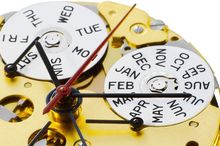
In the case of quartz watches, their heart is an integrated circuit with a large number of electronic parts placed together on a board only a few mm2. The watch with a Quartz movement is powered by a miniature battery that lasts for several years. There is no need to wind them and they do not even have a so-called automatic winder.
The time is determined by a silica oscillator that converts the energy supplied by the battery into electrical oscillations. Quartz watches are extremely accurate. Their annual variation is only one minute per year, which is less than a second per day.
Sometimes also referred to as a "Quick change system" or in Czech "rychlostějka". This is a type of attachment for watch straps and bracelets that can be removed and reattached without the use of any tools.
Watches with the Stop2go system are based on the second hand completing a complete revolution in 58 seconds. It then stops for 2 seconds and then the minute hand jumps forward a full minute. The same system has been used in the station clocks of the Swiss State Railways (SBB) since 1940.
A design element used on watch dials that creates the appearance of rays radiating from a center. Depending on the angle of the light, this can cause the dial to appear to change color and hue.
An improved type of titanium used by Citizen. Compared to the regular version, it has higher hardness and scratch resistance, but does not lose its natural properties such as light weight and corrosion resistance.

Swiss made is a world-famous label for Swiss watches. But in order for a watch to bear this sign of quality and tradition, it must meet several criteria:
The criteria are contained in Swiss law and their compliance is strictly controlled by the authorities. These rules give customers a guarantee that the watch is made of quality parts and assembled by real master watchmakers.
The Federation of Swiss Watchmakers has published plans to increase the requirements for the proportion of components made in Switzerland to 60%. This proposal (referred to as Swissness) has already passed the first vote and it is very likely that it will enter into force soon.
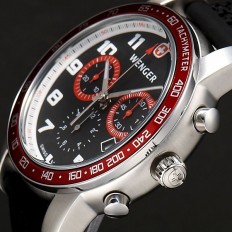
A tachymeter is most often placed on the bezel of a watch and is used to determine the speed of a moving object (most often a car). If you want to determine the speed of a moving vehicle, you start the stopwatch and stop the stopwatch at the exact moment when the object travels 1 km. Where the hand stopped, we simply subtract the speed of the object. For example, if a car travels 1 km in 20 seconds, the hand shows you on the dial of the tachymeter that the car is moving at a speed of 180 km/h.
Watches with a tachymeter can be found in the helveti.eu.
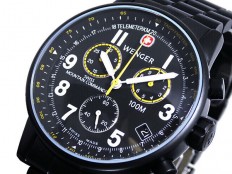 The telemeter is a similar function to the tachymeter. With the difference that the telemeter helps us measure the distance. On the watch, you can find the telemeter function as a linear scale on the bezel. Distance can be measured very easily. All you have to do is start measuring the time on the chronograph on some occasion (flash) and read off the scale when you stop (thunder). Distance measurement works based on the speed of sound.
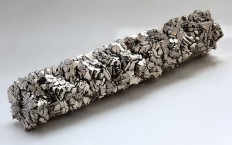 The element titanium was discovered in 1791 by the English chemist William Gregor in the mineral ilmenite. It was only named a few years later by Martin H. Klaproth.
Titanium is a very light but at the same time hard gray metal. It is abundantly represented in the earth's crust, but its acquisition is financially very demanding. During industrial processing, it is obtained in its pure form using the so-called Kroll's process from rutile or the already mentioned ilmenite. It is a good conductor of heat and electricity and is characterized by exceptional chemical stability. Titanium is indifferent to the action of water and atmospheric gases and resists the action of most common mineral acids and alkali hydroxide solutions.
Indispensable material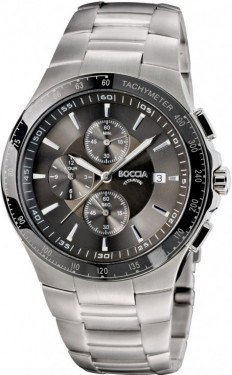
Due to its chemical resistance and low density, it is used in the production of spacecraft, satellites and the most demanding parts of aircraft. It is also used wherever it is desirable that the metal does not cause allergic reactions (surgical instruments) or does not corrode (ships, submarines). Advantages of titanium for the watch industry:
One of the so-called royal complications. A relatively unnecessary technology today, but which played an important role during the era of pocket watches. The principle of operation is quite complex, but the basic idea is that the balance of the movement is enclosed in a movable cage that rotates around its axis (usually once a minute). Thanks to this periodic movement, the effect of gravity on the mechanism itself is balanced, which was a very welcome advance for pocket watches in the past, which usually lay in one position in a jacket or vest pocket for a very long time. However, today's wristwatches are worn on the wrist, which is constantly moving, and therefore the tourbillon has become more of a design accessory and a symbol of the engineering capabilities of the brand that produces it.
A collective term for three technologies used by Seiko in its watches. Namely, Spron, Magic lever and Diashock. If you would like to study these features in more detail, you can take a look at some of the many articles where this topic is discussed in more detail.
Trigalight® technology from Mb-microtec uses a light source based on tritium gas. It is known in scientific circles under the English abbreviation GTLS, and its commercial use was preceded by decades of research.
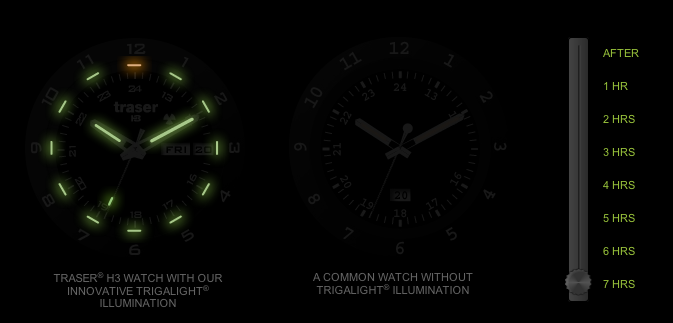
A minute amount of tritium gas is hermetically sealed in a thin glass, covered inside with a phosphorescent material. The electrons coming from the tritium activate the matter to emit a steady, faint light.
 By constantly improving the production process, the Mb-microtec company has reached a top technological level. In terms of size and quality, it has no competition on the market.
Using a laser, each trigalight® light source is cut off and hermetically sealed. Gas will never escape from the ampoule secured in this way. The technologies make it possible to produce light sources with a diameter of 0.5 mm and a length of 1.2 mm.
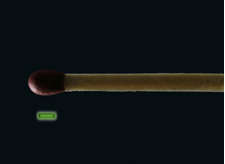 Since tritium is a weak radioactive material, it is essential to understand the possible risks. The slow energy of tritium electrons cannot escape from the trigalight® glass ampoule. It would take very brute force to break it.
Assuming that all the ampoules used in 40 watches (1,000 millicuries) burst at once in an unventilated room and released tritium gas, the people in that room would be exposed to 50% of the annual dose of natural radiation to which every living thing on earth is exposed.
Tritium particles penetrate a maximum of 6 mm in air and only 0.006 mm in water. Another example can be that if someone "accidentally" eats it (for example from their watch), it completely dissolves in water and is then excreted in the urine without any consequences. These examples demonstrate the safety of this product. Read a detailed article about Trigalight security.
Safety study
The safety of Tritium gas (Trigalight technology) was also dealt with by the online store 3h-tritium.cz, on whose website you can view the results of a test in which the samples were soaked in water for 14 days and the radioactivity of the water was subsequently measured. The results showed no leakage of Tritium from the tested samples. So let's forget about images of radioactivity, men in orange protective suits with a dosimeter in hand or Homer Simpson taking home a greenish souvenir from a nuclear power plant. Tritium is absolutely safe and is widely used in industries, medicine, military and other fields of human activity. If, despite the assurances mentioned above, you have doubts that the tritium gas in the Traser watch is safe, we will be happy to welcome you to our premises, where you can see the watch with your own eyes and see for yourself the perfect airtight closure of the ampoules.
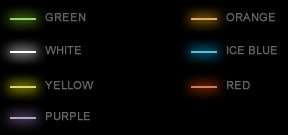 Mb-microtec H3 lighting is commercially known as Trigalight®. This technology makes it possible to read the time from the watch in any visibility without using the battery. Depending on the type of phosphorescent material used, it can emit light in different color shades. The human eye perceives green as the brightest color, but light orange, blue, red, white, yellow or pink are also used in the manufacture of watches.
Tritium is not stable, but decomposes into harmless helium gas with a half-life of about 12.3 years. This means that after this time, half of any amount of tritium will have turned into helium. Based on this fact, Trigalight® technology is guaranteed to last for 10 years.
The emitted light can have a different color and intensity based on the luminescent layer used. Light green colors have the highest intensity (100%). The intensities of the other colors are derived from it:
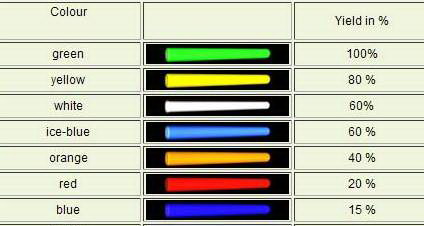
Green: 100% Yellow: 80% White: 60% Ice Blue: 60% Orange: 40% Pink: 40% Purple: 30% Red: 20% Blue: 15%
Trigalight technology (also known as LLT) is used by Traser itself in its watches, but also by the Luminox brand, among others.
Waterproofing is a slightly introduced term, but in our country it is much more established than the more correct waterproofing. Water resistant correctly means water resistance, and watch manufacturers are not even allowed to state anything else.
The first waterproof (water-resistant) watch was produced in 1926 by the Swiss company Rolex. The watch was called Oyster and had a screw-down crown.
If you are more interested in the topic of water resistance of watches, you can read the article Water resistance of watches clearly.
Another less common but very interesting feature. Watches with this complication allow you to display or calculate the time in all time zones in the world. This is achieved thanks to the names of cities around the edge of the dial, each of which represents one time zone, in combination with a rotating disc in 24-hour format. An example of a watch with a worldtimer function is the Frederique Constant Manufacture Classic Worldtimer Automatic FC-718WM4H6.

Jiří Štencek
+420 252 252 306
Tu-Th 9-19
Fr-Sa 9-16
info@helveti.eu


